
They are called – payment. This masterpiece of culinary art leaves no one indifferent.

Называются они – оплатки. Этот шедевр кулинарного искусства не оставляет равнодушным никого. Первое упоминание об оплатках датируется 1788 годом Изготавливали их тогда исключительно в домашних условиях. И только в середине 19 века производство вафель обретает фабричный размах. Одной из самых знаменитых производителей этих вкусностей делается фирма «Карл Байер». Свой оригинальный кулинарный шедевр она поставляла даже […]
In the fast-evolving landscape of technology and finance, a movement is gathering momentum—a movement known as Metavanguard. This is not just a trend; it represents a paradigm shift in how we perceive and interact with digital assets and decentralized systems. The Metavanguard embraces the principles of decentralization, innovation, and community-driven development, fundamentally altering traditional business models and empowering users across the globe. For more insights into this changing landscape, visit Metavanguard https://metadefiassets.com/, where some of the most cutting-edge ideas are taking root.
The term “Metavanguard” combines the concepts of “meta,” which implies a higher level of abstraction, and “vanguard,” meaning a leading position in a movement or trend. At its core, Metavanguard seeks to explore and expand the frontiers of digital innovation, integrating advancements in artificial intelligence, blockchain technology, and the Internet of Things (IoT). This multi-faceted approach allows for the creation of decentralized applications (dApps) that challenge conventional industry norms and provide users with increased autonomy over their digital assets.
At the heart of the Metavanguard movement is blockchain technology, which serves as a foundational pillar for decentralization. By allowing data to be stored across multiple nodes in a secure and transparent manner, blockchain ensures that digital transactions are tamper-proof and verifiable. This transparency is crucial for building trust in a world where traditional banking and financial systems often suffer from opacity.
In the context of Metavanguard, blockchain enables the formation of decentralized autonomous organizations (DAOs) that empower communities to make collective decisions regarding project development and resource allocation. This shift in governance structures not only democratizes access to information but also encourages innovation by enabling diverse stakeholders to participate in the decision-making process.
Digital assets, including cryptocurrencies, non-fungible tokens (NFTs), and tokenized real estate, have gained significant traction in recent years, and the Metavanguard movement is accelerating this trend. With the rise of decentralized finance (DeFi), traditional financial systems are being disrupted as users now have the ability to lend, borrow, and trade assets without intermediaries.
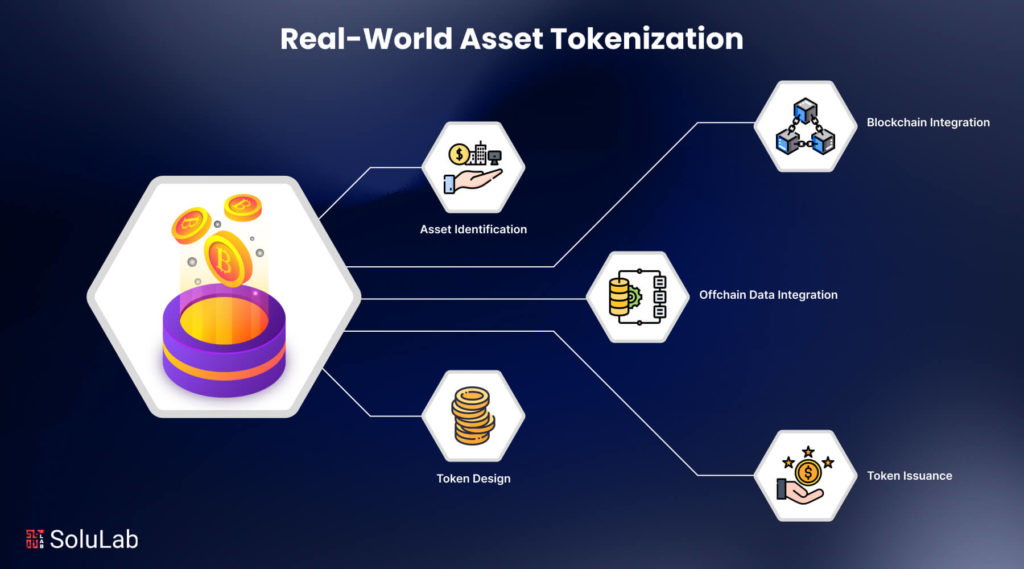
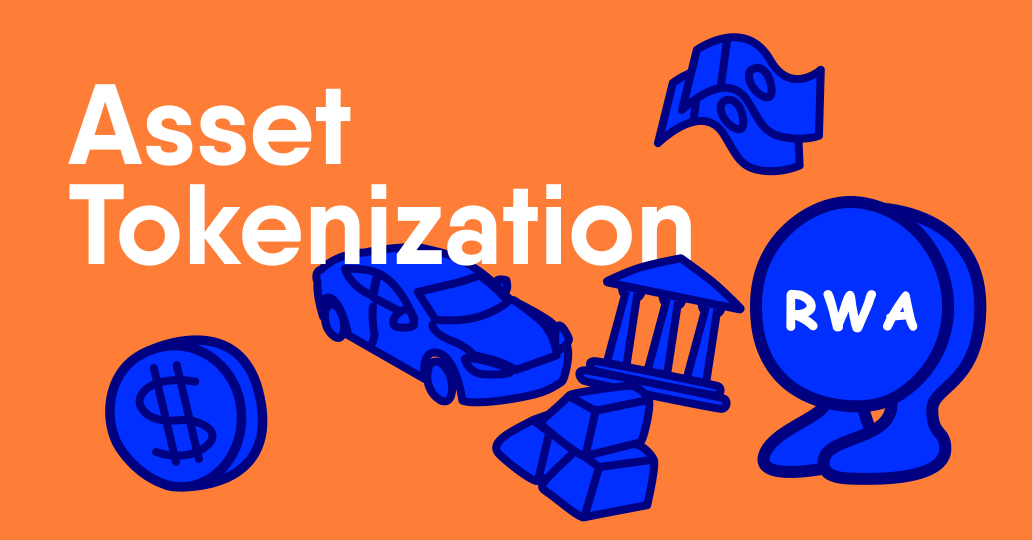
Within the Metavanguard ecosystem, digital assets are viewed as a form of empowerment. They can provide individuals with new economic opportunities and enable creators to monetize their work without relying on centralized platforms that often take substantial fees. Furthermore, tokenization enables the representation of physical assets in the digital realm, making it possible for individuals to invest in fractions of high-value assets that were previously inaccessible.
dApps are a cornerstone of the Metavanguard movement, as they leverage blockchain technology to create software applications that run on a peer-to-peer network. Unlike traditional apps governed by a single entity, dApps are open-source and permissionless, giving users more control over their data and their interactions.
This shift in application development fosters a culture of innovation and collaboration that is essential for the Metavanguard. Developers from various backgrounds and expertise can contribute to projects, leading to a more diverse range of ideas and functionalities. The open-source nature of dApps also encourages transparency, as users can verify the underlying code and ensure that their interests are protected.
While the Metavanguard presents a wealth of opportunities, it also faces significant challenges. Regulatory uncertainty remains a predominant concern for blockchain projects and digital assets. Governments worldwide are still grappling with how to classify and regulate cryptocurrencies and DeFi platforms. Striking a balance between fostering innovation and ensuring consumer protection will be essential for the movement’s long-term sustainability.
Security is another critical issue that must be addressed. As more individuals and businesses engage with decentralized technologies, the potential for hacking and fraud increases. Building robust security measures and developing secure user experiences will be paramount in gaining broader acceptance and trust in the Metavanguard ecosystem.
As we look ahead, the Metavanguard is poised to shape the future of numerous industries, from finance and healthcare to entertainment and supply chain management. The emphasis on decentralization and user empowerment will foster the development of innovative solutions that may redefine conventional business operations. Future iterations of the Metavanguard could involve integrating augmented reality (AR) and virtual reality (VR) technologies to enhance user experiences, allowing individuals to interact with digital assets in more immersive ways.
Moreover, as the technology matures and more users become familiar with decentralized systems, early adopters will likely pave the way for mainstream acceptance. Collaboration between technology developers, regulatory bodies, and industry stakeholders will be crucial in creating an environment that supports innovation while safeguarding user rights.
In conclusion, the Metavanguard represents a transformative force in the realm of digital innovation and asset management. By championing the principles of decentralization, transparency, and community engagement, it seeks to empower individuals and reshape industries. As technology continues to evolve, the potential for the Metavanguard to influence our digital future is vast and exciting. Embracing this movement offers organizations, developers, and users alike the chance to participate in a new era of innovation, fostering a collaborative ecosystem that could redefine the way we interact with the world around us.